crochet ball pattern pdf
Overview of Crochet Ball Pattern PDFs
Crochet ball pattern PDFs offer instant access to step‑by‑step guides, enabling beginners and pro crafters alike to create spherical project from milk cotton to worsted yarn. The PDF format preserves stitch charts color charts and size notes ensuring consistent results across multiple patterns.
1.1 Definition and Scope
A crochet ball pattern PDF is a digital guide that takes a crafter from the first stitch to a finished sphere. The file lists required yarns, recommended hook sizes, and a step‑by‑step narrative that explains how to build the ball’s outer shell, inner core, and any decorative details. It also includes stitch charts, diagrams for round transitions, and tension‑adjustment notes for different yarn weights. Presenting the information in PDF format guarantees high‑resolution printing, device‑independent layout, and instant download, reducing paper waste. A quality pattern PDF offers troubleshooting tips, such as correcting uneven edges or reinforcing seams for durability. Many PDFs provide optional variations—size modifiers or color‑mixing guidelines—so the base design can be adapted to personal preferences or specific project needs. The goal is to give crafters a reliable, repeatable method for producing a clean, symmetrical sphere that can serve as a toy, a stress ball, or a decorative accent. By combining precise technical detail with a user‑friendly layout, these PDFs become a staple resource for anyone exploring crochet’s versatility in creating three‑dimensional shapes. The PDF also often includes a quick‑reference chart that summarizes stitch counts per round, allowing crafters to estimate the total yarn needed before starting. Additionally, many designers embed a short video link or QR code that demonstrates key techniques, ensuring that even complex stitches are accessible to beginners. Such resources help maintain consistency and reduce the learning curve for intricate patterns today. Enjoy!!
Crochet ball pattern PDFs offer instant access to step‑by‑step guides, enabling beginners and pro crafters alike to create spherical project from milk cotton to worsted yarn. The PDF format preserves stitch charts color charts and size notes ensuring consistent results across multiple patterns.
A crochet ball pattern PDF is a digital guide that takes a crafter from the first stitch to a finished sphere. The file lists required yarns, recommended hook sizes, and a step‑by‑step narrative that explains how to build the ball’s outer shell, inner core, and any decorative details. It also includes stitch charts, diagrams for round transitions, and tension‑adjustment notes for different yarn weights; Presenting the information in PDF format guarantees high‑resolution printing, device‑independent layout, and instant download, reducing paper waste. A quality pattern PDF offers troubleshooting tips, such as correcting uneven edges or reinforcing seams for durability. Many PDFs provide optional variations—size modifiers or color‑mixing guidelines—so the base design can be adapted to personal preferences or specific project needs. The goal is to give crafters a reliable, repeatable method for producing a clean, symmetrical sphere that can serve as a toy, a stress ball, or a decorative accent. By combining precise technical detail with a user‑friendly layout, these PDFs become a staple resource for anyone exploring crochet’s versatility in creating three‑dimensional shapes. The PDF also often includes a quick‑reference chart that summarizes stitch counts per round, allowing crafters to estimate the total yarn needed before starting. Additionally, many designers embed a short video link or QR code that demonstrates key techniques, ensuring that even complex stitches are accessible to beginners. The PDF format also supports embedded fonts, so the pattern’s typography remains consistent across all devices, eliminating formatting surprises. Finally, the file’s compact size (often under 2 MB) means it can be stored on a phone or cloud service for instant access during travel or studio sessions. Enjoy!!
1.2 Advantages of PDF Formats
PDF patterns also allow direct annotation, you can mark stitch markers or tweak tension on the file. Zooming in on stitch charts keeps detail sharp, aiding complex motifs. Many designs embed a QR code linking to a tutorial video, making advanced stitches accessible to beginners. The compact file size keeps the pattern handy for on the go reference. Thanks!!.
Popular Pattern Types
Crochet ball pattern PDFs showcase a variety of popular designs, from classic soccer‑ball motifs to versatile multi‑size spheres andcharming amigurumi styles. Each pattern offers clear instructions, stitch charts, andcolor guides, making it easy to choose a project that fits skill level and creative vision.
2.1 Soccer Ball Pattern PDF
The crochet soccer ball pattern PDF delivers a beginner‑friendly, yet detailed guide for creating a classic football design. Using milk cotton (4‑ply, 50 g, 140 m) and a 1.6 mm hook, the pattern yields a finished circumference of approximately 21 in (53 cm). Step‑by‑step instructions cover shaping, stitch charts, and assembly, ensuring an even, smooth finish. The PDF includes color‑coding for pentagon and hexagon panels, tips for customizing yarns, and guidance on stuffing and seam closure. Instant download guarantees immediate access, making it perfect for gifts, play, or sports décor. The pattern’s clear layout allows crafters to replicate the classic look or experiment with different textures and colors, all while maintaining structural integrity and a professional appearance. Additionally, the PDF provides a printable chart that maps each stitch to the corresponding panel, enabling precise construction. For those who prefer a softer feel, the pattern suggests using a lighter weight yarn and a larger hook, which still retains the iconic shape. The instructions also cover optional embellishments such as embroidered logos or sequined accents, allowing personal flair. Finally, the pattern includes a troubleshooting section that addresses common issues like uneven panels or loose seams, ensuring a polished final product. Moreover, the pattern is compatible with both single‑color and multi‑color yarns, giving crafters flexibility in design. The PDF also offers a quick summary for those who want to save time and reduce confusion.
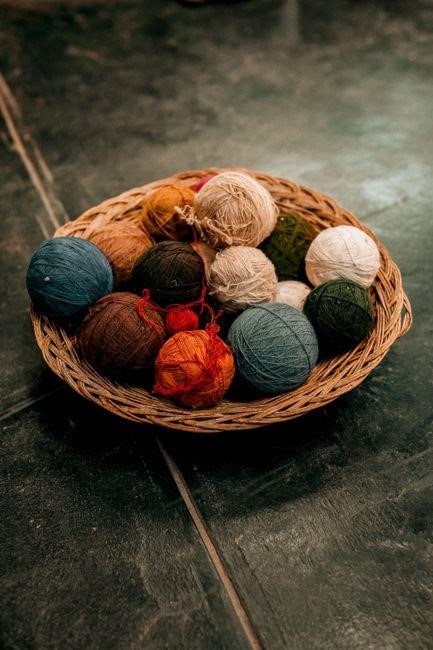
2.2 Multi‑Sized Spheres (Small, Medium, Large)
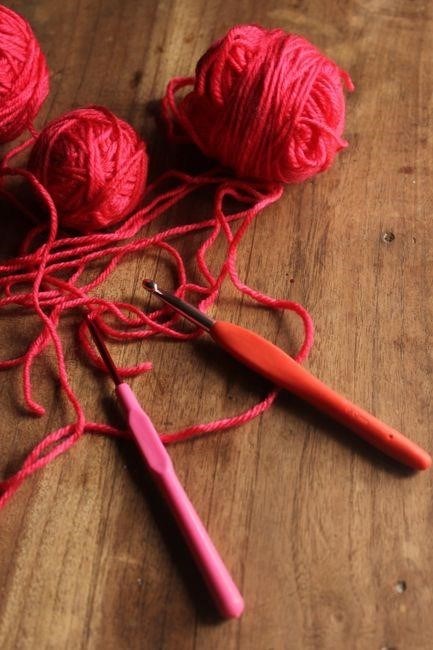
Downloadable PDF patterns for small, medium, and large crochet spheres provide a versatile toolkit for hobbyists and pet‑toy makers alike. Each size is tailored to specific yarn weights and hook dimensions, with the recommended range of 3.5–4.0 mm hooks ensuring a snug fit for worsted‑weight (4) yarn in any hue. The instructions outline a simple, closed‑loop construction that can be adapted for stress balls, plush pets, or decorative accents. A clear stitch chart accompanies every pattern, allowing crafters to track progress and maintain symmetry across all panels. The PDF also supplies a concise list of essential accessories: a stitch marker to track round starts, a darning needle for seamless seam closure, and fiberfill stuffing for a soft, resilient interior. For the larger sphere, the pattern suggests using a slightly thicker yarn to preserve shape, while the smaller version benefits from a finer yarn for a delicate finish. The guide includes troubleshooting tips for common issues such as uneven tension or loose seams, ensuring a polished final product. Additionally, the PDF offers optional customization ideas—such as adding embroidered logos or decorative appliques—to personalize each sphere. Whether you’re creating a cozy stress ball for office use or a playful dog toy, the multi‑size PDF provides step‑by‑step clarity, making the process approachable for beginners and efficient for seasoned crocheters. The instant download feature guarantees immediate access, allowing you to begin crafting without delay.
2.3 Amigurumi Crochet Ball Pattern
Amigurumi crochet ball patterns are designed to create soft, textured spheres that serve as charming toys, decorative accents, or gift items. The digital PDF guide typically includes a clear stitch chart, a list of recommended yarns—often milk cotton or worsted weight for a plush feel—and a step‑by‑step progression from the first round to the final closure. The pattern emphasizes the use of a small hook (around 1.6 mm for milk cotton or 3.5–4.0 mm for worsted) to achieve a tight, even fabric that holds its shape. A key feature is the incorporation of textured stitches, such as bobble or popcorn, which give the ball a tactile surface and a playful appearance. The PDF also provides optional embellishment instructions, such as adding embroidered eyes or a decorative border, allowing crafters to personalize each sphere. For beginners, the guide breaks down the process into manageable sections, with clear diagrams and written explanations, ensuring that even those new to amigurumi can follow along. Advanced crafters can experiment with color gradients or multi‑tone yarns, as the pattern’s modular structure supports creative variations. The final product is a lightweight, fully stuffed ball that can be used as a stress toy, a decorative piece for a child’s room, or a unique gift for friends and family. By downloading the PDF instantly, crafters can start the project immediately, making this pattern a convenient and versatile option for anyone interested in amigurumi. Enjoy crafting! and share. 🙂 Happy crocheting!
Essential Materials and Tools
For a crochet ball pattern PDF, choose milk cotton or worsted yarn, use a 1.6 mm hook (or 3.5–4.0 mm for larger sizes). Essential accessories include stitch markers, a darning needle, and fiberfill stuffing for a soft finish. All tools are easily sourced online.
3;1 Yarn Selection (Milk Cotton, Worsted Weight, etc.)
Choosing the right yarn is essential for a flawless crochet ball. Milk cotton, a 4‑ply yarn weighing 50 g per skein, provides a soft, breathable finish and a smooth texture ideal for beginners and advanced crafters. Its 140 m length (≈153 yd) suits a 21‑inch circumference ball, and the 1.6 mm hook recommendation ensures consistent tension. Worsted‑weight yarns in the 4‑ply range offer durability while still allowing easy shaping. These yarns come in cotton, acrylic, or blends, making them versatile for custom designs. When selecting yarn, consider the intended use: a milk cotton ball is great for soft toys, whereas a worsted ball may be better for decorative or functional items that need more structure. Always check the yarn label for fiber content, weight, and recommended hook size; a mismatch can lead to uneven stitches or a ball that is too tight or too loose. For multi‑sized patterns, use the same yarn across sizes to maintain a cohesive look, or choose complementary colors to differentiate each sphere. Test a small swatch before starting the full pattern to ensure the yarn’s stretch and drape meet your expectations. Store yarn in a cool, dry place to preserve color and texture, especially if you plan to keep the ball for future projects or gifts. Choose colors that complement each other or match the theme of your project, and keep spare yarn in a labeled bag for future touch‑ups. Remember to match the hook size to the yarn weight for results.
3.2 Hook Size Recommendations
Choosing the correct hook size is crucial for achieving the desired tension and shape of a crochet ball. For a milk cotton ball that uses a 4‑ply yarn, the standard recommendation is a 1.6 mm hook. The pattern specifically suggests a 1.63 mm hook to match the yarn’s gauge, ensuring a snug yet flexible sphere. If you prefer a slightly larger ball or a yarn with a heavier weight, a 4 mm hook can be used, provided the yarn is suitable for that size. For worsted‑weight yarns, which are commonly used in the “Multiple Sized Spheres” pattern, a hook range of 3.5–4.0 mm is ideal. This range accommodates the yarn’s thickness while maintaining a consistent stitch tension. When experimenting with different yarns, it is helpful to crochet a small swatch first; this allows you to confirm that the chosen hook produces the correct stitch size before committing to the entire ball. A too‑small hook will result in a tight, overly dense ball that may be difficult to shape, whereas a too‑large hook will create a loose, floppy sphere that may not hold its form. Always check the yarn label for the recommended hook size and adjust accordingly. Using the correct hook not only ensures a smooth finish but also reduces the risk of yarn breakage and improves overall efficiency during the project. Additionally, many crafters prefer to use a slightly larger hook than the recommended size to achieve a softer, more elastic ball. For example, using a 1.7 mm hook with milk cotton can give a slightly looser stitch that makes the ball easier to fill and less prone to cracking. Conversely, a 1.5 mm hook will produce a tighter, more compact sphere that is ideal for decorative items that need to maintain shape over time. For the large ball variant, the pattern suggests a 4 mm hook, but if you are using a thicker yarn such as a 5‑ply worsted, you might need to increase the hook to 4.5 mm to keep the tension consistent. Always keep a set of interchangeable hooks on hand, as the ability to switch quickly between sizes can save time and prevent frustration during the project. Finally, remember that the hook size is not the only factor affecting the final look; yarn tension, stitch count, and the way you work the rounds all play a role in the final shape of the ball. Remember to adjust the hook size if you notice the ball is too tight or too loose during the initial rounds.
3.3 Additional Accessories (Stitch Markers, Darning Needle, Stuffing)
Stitch markers, darning needles, and stuffing are essential accessories that can transform a simple crochet ball into a polished, professional piece. Stitch markers help you keep track of round boundaries, especially when working with multiple colors or a complex stitch pattern. Place a marker at the start of each round and remove it once the round is complete to avoid miscounts. A darning needle is indispensable for closing seams, weaving in loose ends, and stitching the ball’s seam together. Select a needle that matches your yarn weight—typically a size 6 for worsted or a size 8 for milk cotton—to avoid snagging or damaging the fabric. For stuffing, fiberfill is the most common choice; it provides a lightweight, soft core that holds shape and is easy to sew into place. Keep a small bag of spare yarn, a pair of scissors, and a measuring tape handy; these tools help you adjust tension, trim excess, and ensure the finished ball meets the pattern’s specifications. With these accessories, you’ll be able to craft a crochet ball that is not only structurally sound but also visually appealing and ready for gifting or display. A small rubber band can be wrapped around the ball while stuffing to maintain shape and prevent over‑stuffing today. Use a small piece of yarn to tie off the stuffing!!
Tips for Crafting a Perfect Crochet Ball
Download the PDF instantly, follow the stitch chart, use a 1.6 mm hook for milk cotton, keep tension even, mark the start of each round, and finish with a darning needle. Color choices, texture tweaks, and stuffing help achieve a smooth, even, sphere.!
4;1 Instant PDF Download and Pattern Availability
When you purchase a crochet ball pattern, the digital file is delivered immediately, eliminating shipping delays. The PDF contains a complete stitch chart, yarn weight recommendations, and a step‑by‑step guide. For example, the soccer ball pattern uses milk cotton (4‑ply) and a 1.6 mm hook, while the multi‑size sphere set offers 3.5‑4.0 mm hooks for worsted yarn. All patterns are compatible with standard PDF readers and can be printed or viewed on tablets, phones, or laptops. The instant download feature allows you to start crocheting right away, which is especially useful for last‑minute gifts projects that need to be completed quickly. Many sellers also provide a quick‑startvideo link embedded in the PDF, giving visual confirmation stitch counts The patterns are updated regularly; new color variations and texture options are added to keep the designs fresh. If you encounter any issues, most vendors offer a 24‑hour email support window to resolve download problems or clarify instructions. Because the files are digital, you can keep a backup on cloud storage, ensuring you never lose a pattern. This instant availability streamlines the creative process and lets you focus on the craft rather than logistics. The PDF is lightweight, usually under 200 KB, and can be shared via email or cloud links. Many patterns are also available in multiple languages, making them accessible worldwide. The instant download guarantees that you can begin crafting immediately, without waiting for physical shipping or pickup
4.2 Customizing Color, Texture, Decorating, and Achieving an Even Finish
With a crochet ball pattern PDF, customizing begins at the yarn selection stage. The pattern sheets list recommended yarn weights—milk cotton for a lightweight, breathable ball or worsted weight for a sturdier toy. Color choices are endless; you can swap the base color for a pastel or a neon shade, then add contrasting accents with a second yarn for stitching or decorative stitches. Texture is handled by stitch type: single crochet gives a smooth surface, while half double or shell stitches create a plush feel. Many PDFs include a “texture map” that shows where to place each stitch type for a balanced look. Decorating is simple: after the ball is closed, use a darning needle and a contrasting yarn to stitch a face or a pattern. For a soccer ball, the PDF provides a step‑by‑step guide to shape the classic pentagon‑hexagon pattern, ensuring the seams stay even. To achieve an even finish, the instructions advise working in a consistent tension, using stitch markers to keep track of rounds, and checking the ball’s symmetry after each round. A final “smooth‑out” step involves lightly pulling the yarn to flatten any bulges. The PDF also recommends a finishing touch: a small amount of fabric glue or a light coat of clear nail polish to protect the surface. By following these guidelines, crafters can create a ball that looks professional and feels great to touch. Additionally, the PDF often includes optional color palettes and stitch‑variation charts, allowing you to experiment with gradients or ombre effects. If you prefer a textured surface, you can incorporate bobbles or puff stitches in the outer ring, then blend them with smoother stitches inside. For a more decorative finish, some patterns suggest adding a small embroidered emblem or a sequined border, which can be done with a simple embroidery hoop before the final assembly. These customization tips give you the flexibility to turn a basic sphere into a personalized keepsake or themed gift. The PDF also provides a troubleshooting section that addresses common issues such as uneven rounds, missing stitches, or yarn breakage, ensuring that even novice crocheters can achieve a flawless result. Finally, many creators offer downloadable color swatches that match the yarn colors listed, helping you pick the exact shade before you begin.