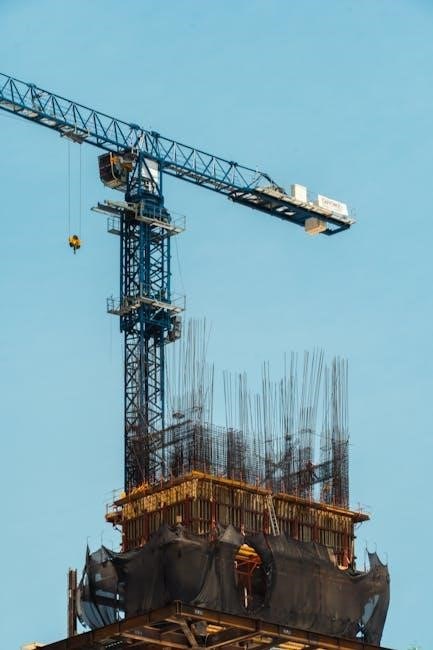
code de sécurité pour les travaux de construction pdf
Article Plan: Construction Safety Code (PDF Focus) ౼ Updated 04/21/2026
Today, April 21, 2026, this document outlines the construction safety code, addressing designers, builders, and owners regarding construction project execution and requirements.

The Construction Safety Code, a crucial document for anyone involved in building projects, establishes the mandatory safety standards within the province. This code directly impacts designers, builders, and owner-builders, dictating how construction work must be planned and executed to minimize risks. As of today, April 21, 2026, understanding and adhering to this code is paramount for ensuring worker well-being and preventing accidents.
Recent reports highlight concerns regarding accelerated work schedules and potential pressures placed on workers, particularly on sites like those on Montreal’s South Shore. These situations underscore the vital importance of the code’s provisions. The Commission des normes, de l’équité, de la santé et de la sécurité du travail (CNESST) actively supports and implements updates to the code, as evidenced by announcements made on December 19, 2022, aiming to enhance safety protocols and worker protection.
Purpose and Scope of the Code
The primary purpose of the Construction Safety Code is to prevent injuries and illnesses on construction sites throughout the province. It achieves this by setting forth specific requirements for all phases of a construction project, from initial design to final completion. The code’s scope is comprehensive, encompassing all types of construction work, regardless of size or complexity.
It directly addresses the responsibilities of key stakeholders – designers, contractors, and owner-builders – ensuring each party understands their obligations for maintaining a safe work environment. Concerns raised about pressured work environments and workers being left unsupervised, as reported recently, emphasize the code’s necessity. The CNESST’s ongoing support, demonstrated by updates announced December 19, 2022, reinforces its commitment to a safer construction industry for all involved.
Regulatory Body: CNESST (Commission des normes, de l’équité, de la santé et de la sécurité du travail)
The CNESST is the governing body responsible for administering and enforcing the Construction Safety Code in the province. Its mandate extends to establishing standards, conducting inspections, investigating incidents, and ensuring compliance with regulations. The Commission’s role is crucial in promoting a culture of prevention and safeguarding the health and safety of workers on construction sites.
Recent announcements, such as the one on December 19, 2022, demonstrate the CNESST’s proactive approach to supporting safety initiatives and responding to emerging challenges within the industry. This includes addressing concerns regarding accelerated work schedules and potential risks to worker well-being. The CNESST provides resources, guidance, and support to employers and workers alike, fostering a collaborative effort towards a safer construction sector.
Key Areas Covered by the Code
The Construction Safety Code comprehensively addresses critical aspects of workplace safety, aiming to mitigate risks throughout all phases of a construction project. Key areas include stringent fall protection requirements, mandating appropriate safety measures when working at heights to prevent serious injuries or fatalities. Furthermore, the code details excavation and trenching safety protocols, emphasizing shoring, sloping, and protective systems to avoid cave-ins.
Electrical safety on construction sites is another paramount concern, with specific regulations governing the handling of electrical hazards and ensuring proper grounding and insulation. The code also tackles issues related to pressured work environments and accelerated schedules, recognizing the increased risks associated with these conditions, as highlighted by recent reports of worker concerns on Montreal’s South Shore.
Fall Protection Requirements
The Construction Safety Code places significant emphasis on fall protection, recognizing falls as a leading cause of serious injuries and fatalities on construction sites. Employers are legally obligated to implement comprehensive fall protection systems whenever workers are exposed to heights of six feet or more. This includes utilizing guardrails, safety nets, personal fall arrest systems (PFAS), and ensuring proper anchorage points.
Detailed guidelines specify requirements for the inspection, maintenance, and proper use of fall protection equipment. Workers must receive thorough training on fall hazards, safe work practices, and the correct donning and use of PFAS. The code addresses various scenarios, including roofing work, scaffolding, and open-sided floors, demanding tailored fall protection solutions for each situation.
Excavation and Trenching Safety
The Construction Safety Code dedicates substantial attention to excavation and trenching operations, acknowledging the inherent dangers of cave-ins and struck-by incidents. Employers are mandated to implement protective systems – sloping, shoring, shielding, or benching – to safeguard workers within trenches exceeding five feet in depth. A competent person must inspect excavations daily, monitoring soil conditions and potential hazards.
Specific regulations cover the placement of excavated materials, access and egress points, and the identification of underground utilities. Workers require training on recognizing unstable soil conditions, safe excavation practices, and emergency procedures. The code emphasizes the importance of atmospheric testing within trenches to detect hazardous gases or oxygen deficiency, ensuring a safe working environment.
Electrical Safety on Construction Sites
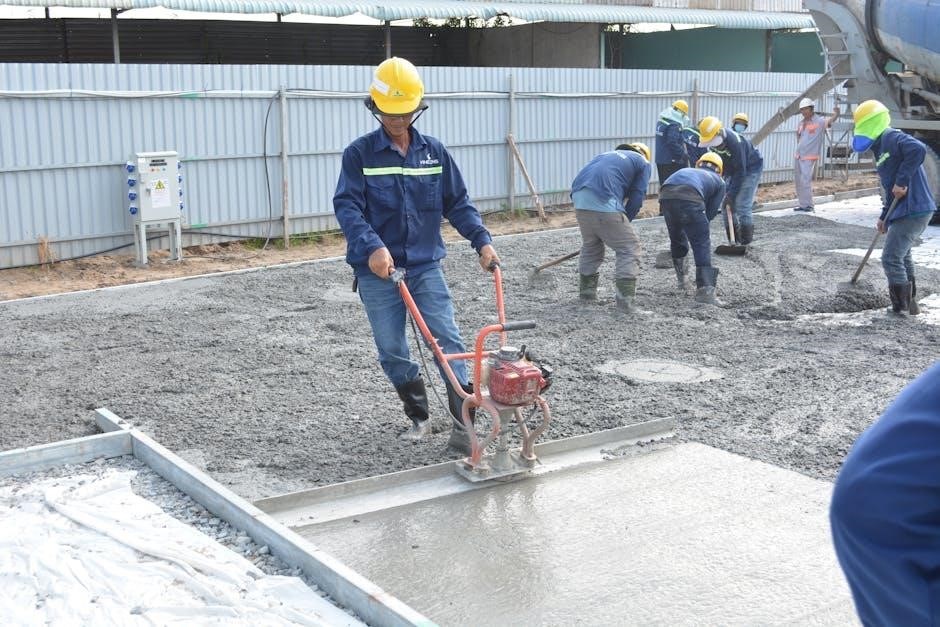
The Construction Safety Code prioritizes electrical safety, recognizing the significant risk of electrocution, burns, and fires on construction sites. It mandates strict adherence to lockout/tagout procedures before any electrical work commences, ensuring power sources are de-energized and verified as safe. Qualified electricians are required for all electrical installations, repairs, and modifications.
Regulations detail safe distances from overhead power lines, proper grounding techniques, and the use of Ground Fault Circuit Interrupters (GFCIs) in wet or damp locations. Extension cords must be inspected regularly for damage, and portable electrical tools must be properly maintained. Workers require comprehensive training on electrical hazards, safe work practices, and emergency response protocols, minimizing potential incidents.
Understanding the PDF Format of the Code
The official Construction Safety Code is primarily distributed as a Portable Document Format (PDF) file, ensuring consistent presentation across various devices and operating systems. This format allows for easy downloading, printing, and searching of specific regulations. The PDF is typically hyperlinked, enabling quick navigation to relevant sections and cross-references within the document.
Users should familiarize themselves with PDF reader functionalities like zoom, search, and bookmarking to efficiently access information. The document’s structure mirrors the code’s organization, with clear headings and subheadings. Regular updates and amendments are released as PDF revisions, making it crucial to always utilize the most current version available on the CNESST website for compliance.
Accessing the Official Construction Safety Code PDF
The primary source for obtaining the official Construction Safety Code PDF is the Commission des normes, de l’équité, de la santé et de la sécurité du travail (CNESST) website. Direct links to the latest version are prominently featured within the “Construction” section of their online resources.
Users can download the PDF free of charge, but registration may be required to access certain features or receive notifications regarding updates. It’s essential to verify the document’s authenticity by confirming it originates from the official CNESST domain. Regularly checking the website ensures access to the most current regulations, as amendments are frequently issued, particularly following significant changes announced since December 19, 2022.
Updates and Amendments to the Code (Recent Changes ౼ Post 2022)
Following the announcement on December 19, 2022, the CNESST has actively supported and implemented updates to the Construction Safety Code. These revisions address critical concerns raised regarding pressures on workers, accelerated work schedules, and instances where employees are left without adequate supervision on construction sites.
Recent amendments focus on reinforcing safety protocols to mitigate risks associated with these challenging conditions. The CNESST’s commitment to worker well-being is evident in these changes, aiming to prevent accidents and ensure compliance. Staying informed about these post-2022 updates, accessible through the official PDF, is crucial for all stakeholders involved in construction projects, guaranteeing a safer working environment for everyone.
Responsibilities of Employers
Employers bear a significant responsibility, as dictated by the Construction Safety Code, to proactively ensure a safe work environment for all personnel. This encompasses not only adhering to the regulations outlined in the official PDF document but also actively fostering a culture of safety consciousness on every project site.
Crucially, employers must prioritize providing comprehensive training and verifying the competency of each worker. This training must equip employees with the knowledge and skills necessary to identify and mitigate potential hazards. Furthermore, employers are legally obligated to implement and maintain robust safety measures, consistently monitoring and adapting them to address evolving site conditions and potential risks, as detailed within the code.
Providing Safe Work Environment
A cornerstone of employer responsibility, as detailed in the Construction Safety Code PDF, is the provision of a demonstrably safe work environment. This extends beyond mere compliance with regulations; it necessitates a proactive approach to hazard identification and mitigation. Employers must conduct thorough risk assessments, implementing controls to eliminate or minimize potential dangers before work commences.
This includes ensuring proper equipment maintenance, providing appropriate Personal Protective Equipment (PPE), and establishing clear safety protocols. Recent reports highlight concerns regarding accelerated work schedules and potential pressures leading to compromised safety standards – employers must actively resist these pressures, prioritizing worker well-being above all else, as mandated by the CNESST.
Training and Competency of Workers
The Construction Safety Code PDF explicitly mandates comprehensive training for all workers, ensuring competency in their assigned tasks and a thorough understanding of potential hazards. This isn’t simply about ticking boxes; it’s about equipping individuals with the knowledge and skills to proactively identify and avoid dangerous situations.
Training programs must be regularly updated to reflect changes in regulations and best practices, particularly concerning accelerated work schedules where risks are amplified. The CNESST emphasizes the importance of verifying worker competency, ensuring they possess the necessary qualifications and experience. Reports of workers being “left to themselves” underscore the critical need for robust training and ongoing supervision, as outlined within the code’s guidelines.
Responsibilities of Workers
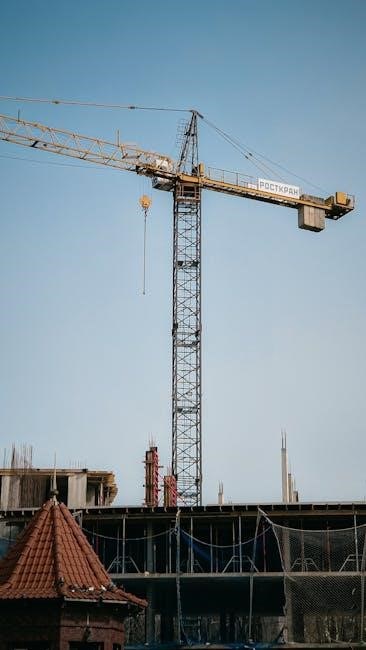
According to the Construction Safety Code PDF, workers bear a significant responsibility for their own safety and the safety of their colleagues. This extends beyond simply following instructions; it requires active participation in hazard identification and reporting. Workers are obligated to utilize provided personal protective equipment (PPE) correctly and report any deficiencies immediately.
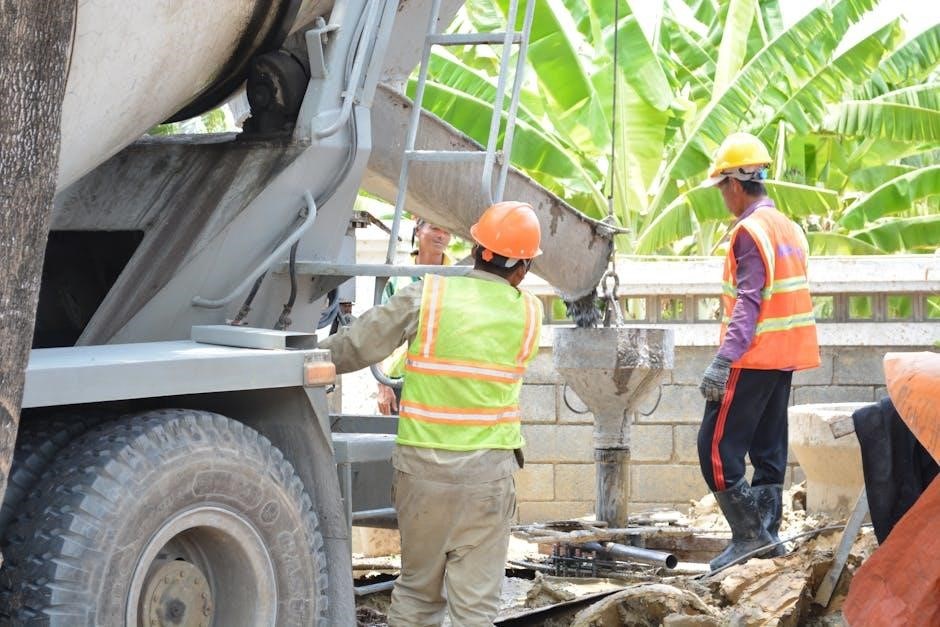
The code emphasizes a duty to refuse unsafe work, a crucial right protecting individuals from potential harm. Concerns regarding pressured work environments and accelerated schedules, as reported on the South Shore of Montreal, highlight the importance of workers asserting this right. Understanding and adhering to the guidelines detailed within the PDF is paramount for maintaining a safe construction site, fostering a culture of proactive safety measures.
Common Hazards on Construction Sites
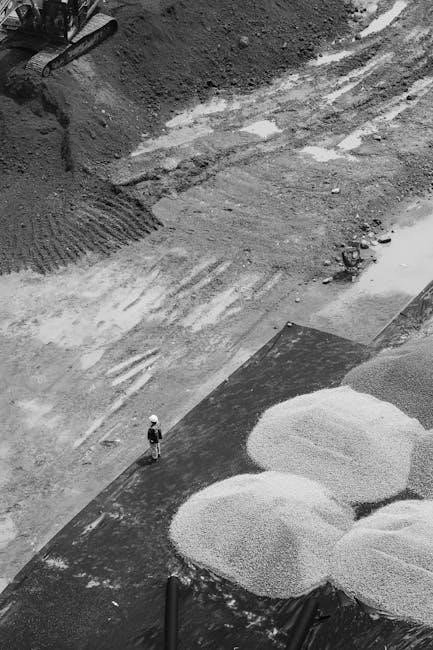
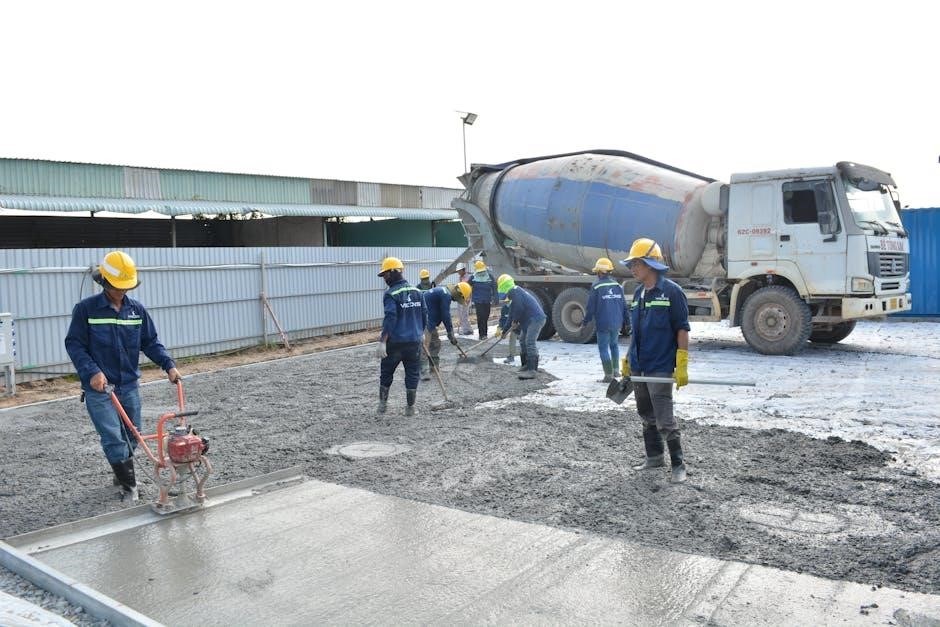
The Construction Safety Code PDF meticulously details prevalent hazards encountered on construction sites. Working at heights consistently ranks as a major risk, demanding strict adherence to fall protection protocols outlined within the document. Furthermore, the operation of heavy machinery presents significant dangers, necessitating comprehensive training and operational safeguards.
Recent reports concerning accelerated work schedules and potentially overworked crews on the South Shore of Montreal underscore the increased risk of accidents. The PDF emphasizes the importance of mitigating these risks through careful planning and adequate staffing. Understanding these common hazards, as detailed in the code, is crucial for proactive prevention and maintaining a safe working environment for all personnel involved.
Risks Associated with Working at Heights
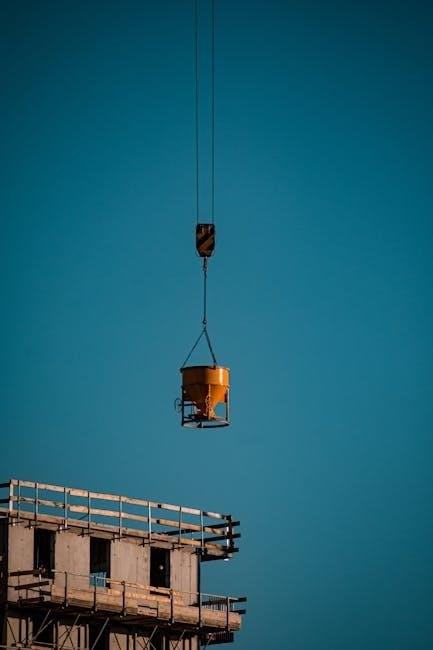
The Construction Safety Code PDF dedicates substantial attention to the inherent risks of working at heights, a leading cause of serious injuries and fatalities on construction projects. These risks encompass falls from scaffolding, ladders, roofs, and improperly guarded openings. The code mandates comprehensive fall protection systems, including guardrails, safety nets, and personal fall arrest systems.
Furthermore, the document stresses the importance of proper training and competency for all workers engaged in elevated tasks. Recent concerns regarding pressured work environments and accelerated schedules, as reported on the South Shore of Montreal, heighten the potential for lapses in safety protocols. Adherence to the PDF’s guidelines is paramount to minimizing these risks and ensuring worker safety.
Hazards Related to Heavy Machinery
The Construction Safety Code PDF extensively details the hazards associated with operating heavy machinery on construction sites. These dangers include struck-by incidents, crush injuries, and equipment rollovers. The code emphasizes the necessity of thorough equipment inspections, regular maintenance, and the implementation of robust safety controls, such as proximity sensors and warning systems.
Moreover, the PDF stresses the critical role of qualified and trained operators. Reports highlighting pressured work schedules and potentially compromised safety practices underscore the importance of diligent adherence to the code’s stipulations; Ensuring operators aren’t rushed or left unsupervised is vital for preventing accidents and maintaining a safe working environment, as supported by CNESST initiatives.
Specific Safety Measures for Accelerated Work Schedules
The Construction Safety Code PDF directly addresses the heightened risks associated with accelerated work schedules, acknowledging the pressure to complete projects quickly can compromise safety; It mandates increased supervision, more frequent safety briefings, and a rigorous hazard assessment process before and during expedited phases. The document emphasizes that time constraints cannot justify shortcuts in safety protocols;
Recent reports detailing concerns from workers and unions regarding rushed conditions on Montreal’s South Shore highlight the code’s relevance. CNESST supports measures to mitigate these risks, and the PDF outlines specific procedures for managing fatigue, ensuring adequate staffing, and preventing errors stemming from haste. Prioritizing safety remains paramount, even under tight deadlines.
Addressing Worker Concerns and Reporting Procedures
The Construction Safety Code PDF details comprehensive procedures for workers to voice safety concerns without fear of reprisal. It mandates employers establish clear, accessible reporting channels, including anonymous options, and promptly investigate all reported hazards. The document stresses the importance of a “speak-up” culture, where workers feel empowered to halt work if they perceive an immediate danger.
Recent concerns raised by workers and unions regarding conditions on construction sites underscore the necessity of robust reporting systems; CNESST actively encourages workers to utilize these channels and provides guidance on their rights. The PDF outlines the steps for filing a formal complaint with the CNESST, ensuring accountability and continuous improvement in safety practices;
The Role of Unions in Construction Safety
The Construction Safety Code PDF recognizes the crucial role unions play in advocating for worker safety and ensuring code compliance. Unions actively participate in safety training, site inspections, and the development of best practices, often exceeding minimum regulatory requirements. They serve as a vital link between workers and employers, facilitating open communication regarding potential hazards.
Recent reports highlight union efforts to address concerns about accelerated work schedules and insufficient safety measures on construction sites. The PDF acknowledges unions’ expertise in identifying and mitigating risks, and encourages collaborative partnerships to foster a safer work environment. Unions also assist workers in understanding their rights and navigating the reporting procedures outlined by the CNESST.
Consequences of Non-Compliance with the Code
The Construction Safety Code PDF clearly outlines significant consequences for failing to adhere to its regulations. Non-compliance can result in substantial financial penalties levied by the CNESST, potentially halting work on a project until deficiencies are rectified. Repeated or serious violations may lead to legal prosecution and criminal charges against employers and responsible parties.
Furthermore, non-compliance can severely impact a company’s reputation and ability to secure future contracts. The PDF emphasizes that prioritizing safety isn’t merely a legal obligation, but a moral one. Ignoring safety protocols, particularly those related to accelerated schedules, as recent reports indicate, can lead to worker injuries, fatalities, and significant legal liabilities.
Inspections and Enforcement by the CNESST
The CNESST, as the regulatory body, actively enforces the Construction Safety Code PDF through routine and reactive inspections of construction sites. These inspections can be triggered by complaints, incident reports, or as part of a scheduled compliance check. Inspectors possess the authority to issue directives requiring immediate corrective actions to address identified hazards.
The PDF details the CNESST’s powers, including the ability to suspend work if imminent danger is present. Following an inspection, a detailed report is generated, outlining any violations and required remediation steps. Recent CNESST support for safety initiatives demonstrates a commitment to proactive enforcement, aiming to prevent incidents before they occur, particularly concerning pressured work environments and worker wellbeing.
Documentation and Record Keeping Requirements
The Construction Safety Code PDF mandates comprehensive documentation and record-keeping practices on all construction projects. Employers are legally obligated to maintain detailed records of safety training, hazard assessments, inspection reports, and any corrective actions taken. This documentation serves as evidence of compliance during CNESST inspections and is crucial for incident investigations.
Records must be readily accessible to both workers and CNESST inspectors. Proper documentation also includes records of equipment maintenance, safety signage placement, and emergency procedures. The PDF outlines specific retention periods for various records, ensuring a clear audit trail. Maintaining accurate and up-to-date documentation is vital for demonstrating a commitment to workplace safety and minimizing potential liabilities.
Emergency Procedures and First Aid

The Construction Safety Code PDF emphasizes the necessity of well-defined emergency procedures and readily available first aid resources on every construction site. Employers must establish clear evacuation plans, including designated assembly points and communication protocols, addressing potential scenarios like fires, injuries, or hazardous material releases.
First aid provisions must be adequate for the size and risk level of the project, with trained personnel and appropriately stocked first aid kits accessible to all workers. The PDF details requirements for emergency contact information, reporting procedures, and post-incident investigations. Regular drills and training exercises are crucial to ensure workers are familiar with emergency protocols, promoting a swift and effective response in critical situations.
Safety Signage and Communication
The Construction Safety Code PDF mandates comprehensive safety signage and clear communication protocols on all construction sites. Effective signage, utilizing standardized symbols and languages understood by the workforce, is crucial for hazard identification and prevention. This includes warnings for fall risks, electrical hazards, excavation zones, and required personal protective equipment (PPE).
Communication must extend beyond signage, encompassing regular safety meetings, toolbox talks, and readily accessible information regarding site-specific hazards and emergency procedures. The PDF stresses the importance of fostering a culture where workers feel empowered to report concerns and participate in safety discussions. Clear and consistent communication minimizes misunderstandings and promotes a proactive safety environment.
Resources and Further Information (CNESST Website Links)
The CNESST (Commission des normes, de l’équité, de la santé et de la sécurité du travail) website serves as the primary resource for accessing the official Construction Safety Code PDF and related documentation. Direct links to key sections, amendment updates (post-2022 changes), and interpretive guides are readily available.
Furthermore, the CNESST website provides access to training materials, safety publications, and a comprehensive database of best practices for construction safety. Employers and workers can find detailed information on hazard prevention, incident reporting procedures, and regulatory compliance. The December 19, 2022 CNESST announcement details support initiatives. These resources are vital for maintaining a safe and compliant work environment, ensuring adherence to the latest code revisions.
Future Trends in Construction Safety Regulations
Looking ahead, construction safety regulations, including updates to the Construction Safety Code PDF, are expected to increasingly focus on proactive risk management and the integration of new technologies. This includes enhanced requirements for psychological health and safety, addressing pressures from accelerated work schedules – as highlighted by recent reports of worker concerns on Montreal’s South Shore.
Furthermore, expect greater emphasis on data analytics for hazard identification and prevention, alongside the expanded use of Building Information Modeling (BIM) for safety planning. The CNESST will likely continue to support initiatives promoting worker well-being and compliance. Post-2022, regulations will adapt to evolving construction methods and prioritize worker protection against emerging risks.